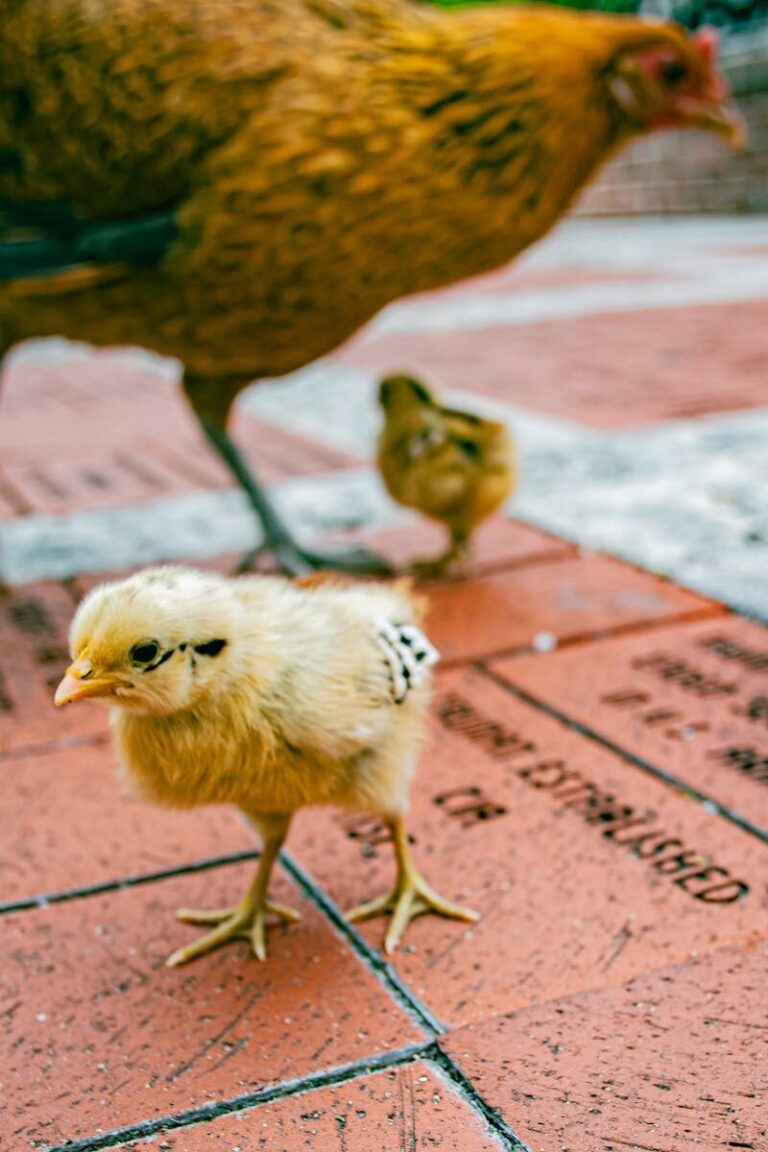
50 Profitable Things You Can Make and Sell From a Homestead
Homesteading whether in your acre plot, backyard or apartment balcony not just about growing food for the family table anymore, it’s about growing income for the family budget.
For decades, the narrative around homesteading was purely about subsistence.
Grow your own food.
Fix your own roof.
And save money by doing it yourself.
While saving money is a significant benefit, there is a ceiling to how much you can save. There is no ceiling, however, on how much you can earn.
This is the Homestead Economy.
Turning your homestead skills into income streams is one of the most rewarding steps you can take on your self-sufficiency journey. It validates your hard work, funds your next infrastructure project, and potentially replaces your off-farm income entirely. Whether you want to earn an extra $500 a month to cover the grocery bill or build a six-figure cottage industry that allows you to quit your 9-to-5, the opportunities are vast.
But where do you start?
The internet is full of listicles promising “easy money” with bees or chickens. The reality is more nuanced. Profitability depends on your climate, your zoning, your skills, your local market, and your willingness to treat your hobby as a business.
At Plot & Pasture, we believe in sustainable income – not just financially, but physically and mentally. Burnout is the enemy of the homestead entrepreneur. This guide is designed to help you find the right income stream for your specific situation.
In this comprehensive pillar guide, we will cover:
- The Legal Landscape: Navigating Cottage Food Laws, liability, and zoning.
- 50 Profitable Products: Categorized into Food, Plants, Animals, Crafts, and Services.
- Profit Analysis: Startup costs, margins, and labor requirements for each.
- Marketing & Sales: How to find customers and price for profit.
- Scaling Strategies: Growing without losing your soul (or your sanity).
Whether you have 100 acres or a balcony, there is something on this list for you. Let’s explore how to turn your plot and pasture into profit.
Legal & Financial Foundations
Protecting Your Homestead Business Before You Start
Before you sell your first jar of jam or dozen of eggs, you must lay the groundwork. Skipping this step can lead to fines, shut-downs, or lawsuits that could cost you your homestead.
1. Understanding Cottage Food Laws
In the United States, food safety is regulated at the state level. Cottage Food Laws allow individuals to produce certain low-risk foods in their home kitchens and sell them directly to consumers without a commercial kitchen license.
- Allowed Foods: Typically non-potentially hazardous foods (low moisture, high acid). Think breads, cookies, jams, pickles, dried herbs, and candy.
- Restricted Foods: Typically potentially hazardous foods (require refrigeration). Think meat, dairy, fresh cream cakes, and canned vegetables (low acid).
- Sales Limits: Many states cap annual revenue (e.g., $50,000/year in in states like California (Class A) and Connecticut) for cottage food operators. Exceeding these limits often requires transitioning to a commercial kitchen license. Check with your state for specific limits.
- Labeling: Strict requirements often include ingredients, allergens, net weight, and a disclaimer (“Made in a Home Kitchen”).
Action Step: Search “[Your State] Cottage Food Law 2026.” Print the guidelines. Keep them in your business binder.
2. Business Structure & Liability
Are you a hobby or a business? The IRS and your insurance company need to know.
- Sole Proprietorship: The simplest structure. You and the business are the same. Easy to start, but your personal assets (home, car) are at risk if someone sues.
- LLC (Limited Liability Company): Separates personal and business assets. Recommended once you start generating consistent revenue or selling higher-risk items (like soap or animal products).
- Insurance: Homeowner’s policies rarely cover business activities. Look into Farm Liability Insurance or Product Liability Insurance. If someone gets sick from your eggs or slips on your farm during a tour, you need protection.
3. Taxes & Record Keeping
Homestead income is taxable income.
- Track Everything: Keep receipts for seeds, feed, packaging, tools, and mileage. These are tax-deductible business expenses.
- Schedule F: In the US, farm income is often reported on IRS Schedule F.
- Sales Tax: Depending on your state, you may need to collect and remit sales tax on certain items (often prepared foods or crafts, but sometimes exempt for raw agricultural products).
4. Zoning & HOA Restrictions
Just because you can make it doesn’t mean you can sell it from your location.
- Home Occupation Permits: Many cities require this to run a business from home.
- Signage: Restrictions on how big your “Farm Stand” sign can be.
- Traffic: Some zones prohibit high customer traffic in residential areas.
- HOAs: Many prohibit commercial activity entirely. If you live in an HOA, you may need to sell online (Etsy) or at off-site markets rather than from your driveway.
We are not lawyers. This section is for educational purposes. Always consult with a local accountant and attorney before launching.
Category 1 – Value-Added Food Products
Turning Raw Ingredients into Shelf-Stable Profit
Value-added products are the backbone of the cottage food industry. You take a raw ingredient (tomatoes) and add labor and skill to create a product with a higher price point (salsa).
Profit Potential: High margins (often 300–500%).
Barrier to Entry: Low to Medium (depending on equipment).
Best For: Suburban and rural homesteaders with kitchen space.
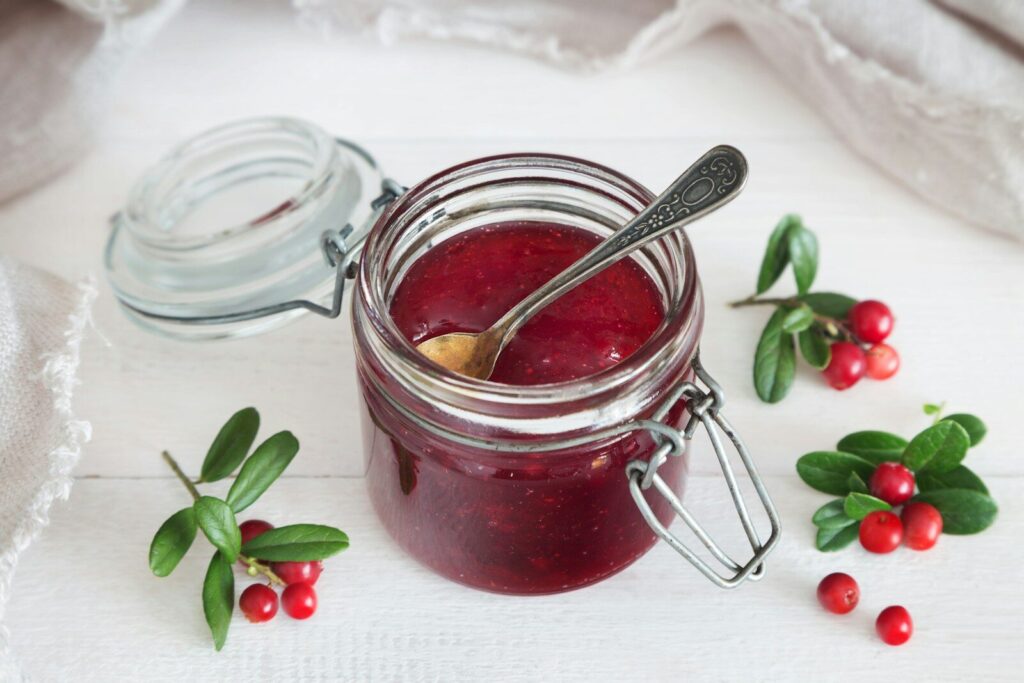
1. Artisan Jams & Jellies
- The Product: Small-batch, unique flavor combinations (e.g., Strawberry-Basil, Jalapeno-Peach).
- Why It Sells: People love gifts. Beautiful labeling turns a $3 ingredient into a $12 jar.
- Startup Cost: $200 (canning pots, jars, labels).
- Profit Tip: Focus on seasonal limited editions to create urgency.
2. Fermented Vegetables (Sauerkraut and Kimchi)
- The Product: Probiotic-rich fermented cabbage and vegetables.
- Why It Sells: Gut health is a massive trend. Fermentation requires no heat (energy savings) and improves over time.
- Startup Cost: $100 (fermentation crocks, jars).
- Profit Tip: Sell in the winter when fresh produce is scarce.
3. Pickled Goods
- The Product: Pickles, pickled onions, pickled eggs (check laws on eggs), beets, okra.
- Why It Sells: High acid means longer shelf life and easier legal approval in many states.
- Startup Cost: $200 (canning equipment).
- Profit Tip: Use unique vinegar infusions (garlic, herb) to differentiate.
4. Baked Goods (Breads & Pastries)
- The Product: Sourdough loaves, cookies, pies, granola.
- Why It Sells: Everyone eats bread. Sourdough, in particular, commands a premium ($8–$12 per loaf).
- Startup Cost: $300 (mixers, pans, ingredients).
- Profit Tip: Offer subscription boxes (weekly bread delivery) for steady income.
5. Dried Herb Blends & Teas
- The Product: Culinary herb mixes (Italian seasoning) or medicinal teas (sleep blend).
- Why It Sells: Lightweight, easy to ship, long shelf life.
- Startup Cost: $150 (dehydrator, packaging).
- Profit Tip: Grow high-value herbs like saffron, vanilla (if climate allows), or medicinal adaptogens.
6. Spice Rubs & Seasonings
- The Product: BBQ rubs, taco seasoning, salt blends.
- Why It Sells: Complements meat sales. Great add-on item at markets.
- Startup Cost: $100 (spices, grinder, jars).
- Profit Tip: Bundle with meat products (if legal) or suggest pairings.
7. Honey & Comb Honey
- The Product: Raw local honey, beeswax comb.
- Why It Sells: “Local” honey is believed to help with allergies. Comb honey is a luxury item.
- Startup Cost: $500+ (hives, suits, extractor).
- Profit Tip: Sell varietal honey (e.g., “Clover Harvest,” “Wildflower Blend”).
8. Maple Syrup & Tree Sap Products
- The Product: Pure maple syrup, birch syrup, walnut syrup.
- Why It Sells: High price point ($50+ per gallon). Very labor-intensive but highly profitable.
- Startup Cost: $1,000+ (taps, evaporator).
- Profit Tip: Requires specific trees and climate. Best for rural homesteads.
9. Dried Fruits & Fruit Leathers
- The Product: Apple rings, mango strips, berry leathers.
- Why It Sells: Healthy snack alternative. Great for kids.
- Startup Cost: $200 (dehydrators).
- Profit Tip: Use “ugly” fruit that isn’t sellable fresh but tastes fine dried.
10. Vinegar & Infused Oils
- The Product: Apple cider vinegar, herb-infused olive oils.
- Why It Sells: Kitchen staple with a gourmet twist.
- Startup Cost: $150 (bottles, ingredients).
- Profit Tip: Ensure oils are acidified properly to prevent botulism risks (check laws).
Category Strategy:
The key to food products is branding. Your label is your biggest salesperson. Invest in professional-looking labels. Start at Farmers Markets to get immediate feedback on flavors. Use the Cottage Food Law to your advantage – many states allow online ordering with porch pickup, which saves market fees.
For detailed preservation techniques, see our Complete Guide to Food Preservation.
Part 3: Category 2 – Plants, Seeds and Nursery Stock
Growing Money from the Ground Up
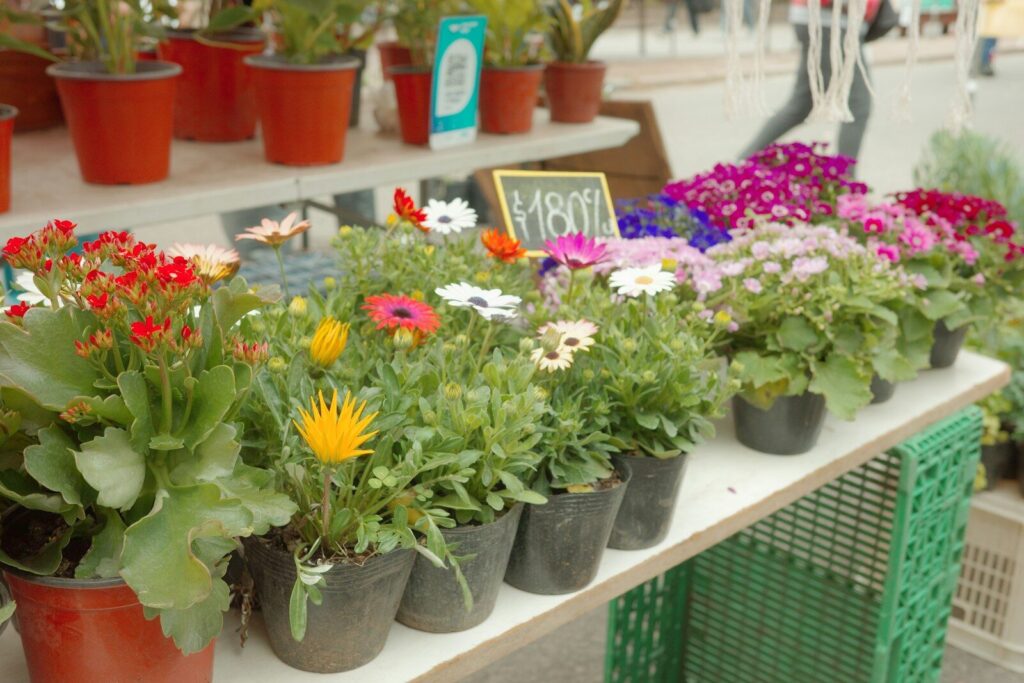
Plants are one of the most scalable homestead products. Unlike animals, they don’t need daily feeding, and unlike food, they often don’t require kitchen licensing.
Profit Potential: Medium to High (depending on rarity).
Barrier to Entry: Low (requires green thumb and space).
Best For: All homestead sizes, including urban balconies.
11. Vegetable Seedlings & Starts
- The Product: Tomato, pepper, and herb starts in spring.
- Why It Sells: Gardeners want a head start. Growing from seed is risky for beginners.
- Startup Cost: $100 (trays, soil, seeds, lights).
- Profit Tip: Offer “heirloom” varieties not found at big box stores.
12. Microgreens
- The Product: Baby greens (radish, pea, sunflower) harvested at 1–2 inches.
- Why It Sells: High value per square foot ($20–$50 per tray). Grows indoors year-round.
- Startup Cost: $300 (shelving, lights, trays).
- Profit Tip: Sell to local restaurants chefs who want fresh garnish.
13. Mushroom Kits and Logs
- The Product: Oyster mushroom grow kits or inoculated logs.
- Why It Sells: Gourmet mushrooms are expensive. Kits allow customers to grow their own.
- Startup Cost: $500 (sterilization equipment, spawn).
- Profit Tip: Oysters are the easiest for beginners. Shiitake commands higher prices.
14. Cut Flowers & Bouquets
- The Product: Seasonal bouquets, wedding flowers.
- Why It Sells: The “Slow Flower” movement is huge. People want local, fragrant flowers, not imported ones.
- Startup Cost: $500 (seeds, buckets, conditioning).
- Profit Tip: Focus on high-value wedding work for lump-sum income.
15. Dried Flower Wreaths & Arrangements
- The Product: Preserved floral decor.
- Why It Sells: Long-lasting decor. Great for fall/winter sales.
- Startup Cost: $100 (wire, glue, drying space).
- Profit Tip: Use homestead-grown lavender, statice, and strawflowers.
16. Herb Plants (Perennials)
- The Product: Rosemary, thyme, lavender, mint plants.
- Why It Sells: People kill herbs bought at grocery stores; they want established plants.
- Startup Cost: $200 (pots, soil, mother plants).
- Profit Tip: Divide mother plants annually to increase inventory for free.
17. Seed Packets (Saved Seed)
- The Product: Packets of seeds saved from your best plants.
- Why It Sells: Gardeners want locally adapted seeds.
- Startup Cost: $50 (packets, desiccant).
- Profit Tip: Ensure high germination rates. Test before selling.
18. Grafted Fruit Trees
- The Product: Apple, pear, or stone fruit trees on dwarf rootstock.
- Why It Sells: High ticket item ($50–$100 per tree).
- Startup Cost: $300 (rootstock, scion wood, tools).
- Profit Tip: Requires skill to graft. Offer rare varieties.
19. Houseplant Propagations
- The Product: Cuttings of popular houseplants (Pothos, Monstera).
- Why It Sells: Houseplant hobby is booming. Easy to ship.
- Startup Cost: $100 (pots, soil).
- Profit Tip: Sell on Etsy or Facebook Marketplace. Easy to scale indoors.
20. Compost and Manure Blends
- The Product: “Black Gold” soil amendment.
- Why It Sells: Gardeners always need soil. Turns waste into profit.
- Startup Cost: $0 (if you have animals).
- Profit Tip: Bag in branded bags. Sell by the bag or bucket.
Category Strategy:
Timing is everything in plant sales. Spring is for seedlings and trees. Summer is for cut flowers. Fall is for bulbs and garlic. Winter is for microgreens and houseplants. Stagger your production so you have income year-round. For shipping plants, ensure you understand USDA regulations on moving plant material across state lines.
Learn how to grow your own seeds in our Year-Round Vegetable Garden Guide.
Category 3 – Animal Products & Byproducts
Monetizing Your Livestock
Animals require the most daily labor, but they also provide some of the most consistent income streams (like eggs). The key is utilizing the whole animal, including byproducts.
Profit Potential: Medium (high labor input).
Barrier to Entry: Medium (requires infrastructure and knowledge).
Best For: Rural and large suburban homesteads.
21. Table Eggs
- The Product: Fresh chicken, duck, or quail eggs.
- Why It Sells: Consistent demand. People pay premium for pasture-raised.
- Startup Cost: $500 (coops, birds, feed).
- Profit Tip: Sell subscriptions (egg shares) for guaranteed income.
22. Meat Birds (Broilers)
- The Product: Processed chickens for meat.
- Why It Sells: People want to know where their meat comes from.
- Startup Cost: $1,000 (processing equipment, freezer).
- Profit Tip: Pre-sell birds before they hatch to manage cash flow.
23. Rabbit Meat
- The Product: Processed rabbit.
- Why It Sells: Lean protein, efficient feed conversion, quiet animals.
- Startup Cost: $300 (cages, breeding stock).
- Profit Tip: Market to ethnic markets or high-end restaurants.
24. Breeding Stock
- The Product: Selling live animals (chicks, piglets, kids).
- Why It Sells: Other homesteaders want to start their own herds.
- Startup Cost: Variable (cost of maintaining breeding adults).
- Profit Tip: Focus on rare breeds or proven bloodlines for higher prices.
25. Raw Wool & Fiber
- The Product: Sheared wool from sheep, alpacas, or goats.
- Why It Sells: Spinners and crafters want raw fiber.
- Startup Cost: $1,000+ (large animals, shearing tools).
- Profit Tip: Wash and card the fiber to increase value.
26. Tallow & Lard
- The Product: Rendered animal fat for cooking or soap.
- Why It Sells: Traditional cooking fat revival. Keto/Paleo diets.
- Startup Cost: $50 (pots, jars).
- Profit Tip: Sell in nice jars with usage instructions (soap making, frying).
27. Beeswax Candles
- The Product: Hand-rolled or molded beeswax candles.
- Why It Sells: Natural, non-toxic, long-burning.
- Startup Cost: $200 (wax, wicks, molds).
- Profit Tip: Honey-scented naturally. Great holiday gift item.
28. Feathers & Down
- The Product: Cleaned feathers for crafts or fishing flies.
- Why It Sells: Niche market for artists and anglers.
- Startup Cost: $0 (waste product).
- Profit Tip: Clean and sort by color/size. Sell in small bags.
29. Pet Treats (Dehydrated)
- The Product: Dried chicken feet, liver treats, beef jerky for dogs.
- Why It Sells: Pet owners spend heavily on healthy treats.
- Startup Cost: $200 (dehydrator, packaging).
- Profit Tip: Single-ingredient treats are highly marketable.
30. Manure & Compost Tea
- The Product: Bagged manure or liquid fertilizer.
- Why It Sells: Gardeners need fertilizer.
- Startup Cost: $50 (bags, brewing equipment).
- Profit Tip: Brand it as “Homestead Blend.”
Category Strategy:
Animal products have the highest regulatory hurdles. Meat sales often require USDA-inspected processing facilities unless you sell live animals or fall under specific poultry exemptions (like the 1,000 bird exemption in the US). Eggs usually require washing and grading equipment to sell in stores, but farm-gate sales are often more lenient. Always check your state’s Department of Agriculture.
Ready for chickens? Read our Backyard Chickens 101 Guide.
Category 4 – Handmade Crafts & Fiber Arts
Creating Value with Your Hands
If you have skills beyond farming, crafts offer high margins and low regulatory hurdles. You aren’t selling food, so health inspections are rarely required.
Profit Potential: High (labor is the main cost).
Barrier to Entry: Medium (requires skill acquisition).
Best For: Artistic homesteaders, winter income.
31. Carved Gourds
- The Product: Lanterns, bowls, birdhouses, art.
- Why It Sells: Unique, natural, sustainable. High perceived value.
- Startup Cost: $150 (tools, seeds).
- Profit Tip: This is a signature Plot & Pasture craft. See our Complete Guide to Carving Gourds for a full business plan.
32. Handmade Soap (Cold Process)
- The Product: Bar soap using lye, oils, and homestead tallow/herbs.
- Why It Sells: Natural skincare is booming.
- Startup Cost: $300 (ingredients, molds, safety gear).
- Profit Tip: Use homestead herbs for color and scent (lavender, calendula).
33. Candles (Soy or Beeswax)
- The Product: Container candles or pillars.
- Why It Sells: Home decor staple. Repeat purchases.
- Startup Cost: $200 (wax, jars, wicks).
- Profit Tip: Offer custom scents or local-themed names.
34. Basketry
- The Product: Baskets made from willow, reed, or vines.
- Why It Sells: Functional art. Harvesting materials can be free.
- Startup Cost: $100 (tools, soaking tub).
- Profit Tip: Teach workshops on basket making for double income.
35. Natural Dyes & Dyed Fiber
- The Product: Yarn or fabric dyed with plants (walnut, indigo, madder).
- Why It Sells: Eco-friendly textile movement.
- Startup Cost: $200 (pots, mordants, fiber).
- Profit Tip: Sell “Dye Kits” so customers can try it themselves.
36. Woodworking & Homestead Tools
- The Product: Spoons, cutting boards, tool handles.
- Why It Sells: Rustic aesthetic matches homestead brand.
- Startup Cost: $500 (tools, wood).
- Profit Tip: Use wood cleared from your own land (cost savings).
37. Textiles (Knitting/Weaving)
- The Product: Scarves, hats, blankets from homestead wool.
- Why It Sells: “Farm to Closet” story is powerful.
- Startup Cost: $200 (yarn, needles/loom).
- Profit Tip: Document the process (shearing to sweater) for marketing.
38. Leatherwork
- The Product: Belts, wallets, knife sheaths.
- Why It Sells: Durable, masculine appeal, high ticket.
- Startup Cost: $400 (tools, leather hides).
- Profit Tip: Make sheaths for homestead knives or tools.
39. Pottery & Ceramics
- The Product: Mugs, bowls, planters.
- Why It Sells: Functional art. Great for food pairing (sell bowl with soap).
- Startup Cost: $1,000+ (kiln, wheel).
- Profit Tip: Focus on rustic, imperfect aesthetics that match homestead vibe.
40. Essential Oils & Hydrosols
- The Product: Distilled lavender, peppermint, rose water.
- Why It Sells: High value per ounce.
- Startup Cost: $500+ (still).
- Profit Tip: Requires large volumes of plant material. Best for herb farms.
Category Strategy:
Crafts thrive on storytelling. A wooden spoon is $20. A wooden spoon carved from a fallen oak on your homestead is $60. Document your process on social media. Show the trees, the tools, and your hands. Platforms like Etsy are ideal for crafts, while Farmers Markets work well for local sales.
For business setup, see our Homestead to Income Pillar Guide.
Category 5 – Digital Products, Services & Experiences
Scaling Beyond Physical Products
Physical products require shipping, inventory, and materials. Digital products and services scale infinitely with zero marginal cost. This is the future of homestead income.
Profit Potential: Very High (near 100% margin on digital).
Barrier to Entry: Medium (requires tech skills or expertise).
Best For: Experienced homesteaders, tech-savvy growers.
41. Online Workshops & Courses
- The Product: Video courses on canning, gardening, or animal care.
- Why It Sells: People want to learn skills but lack time to figure it out alone.
- Startup Cost: $200 (camera, microphone, hosting).
- Profit Tip: Record once, sell forever.
42. E-Books & Guides
- The Product: PDF guides (e.g., “30-Day Garden Plan”).
- Why It Sells: Low price point ($10–$20) makes for easy impulse buys.
- Startup Cost: $0 (write on computer).
- Profit Tip: Use as a “lead magnet” to build your email list.
43. Digital Patterns & Plans
- The Product: Sewing patterns, coop blueprints, garden layouts.
- Why It Sells: DIYers want instructions, not just inspiration.
- Startup Cost: $0 (design software).
- Profit Tip: Sell on Etsy or your own website.
44. Farm Tours & Agritourism
- The Product: Paid visits to your homestead.
- Why It Sells: Urbanites crave connection to nature.
- Startup Cost: $0 (liability insurance recommended).
- Profit Tip: Charge per person. Offer seasonal events (Pumpkin Patch, Lambing Season).
45. Consulting & Coaching
- The Product: 1-on-1 advice for new homesteaders.
- Why It Sells: Personalized guidance saves beginners money and mistakes.
- Startup Cost: $0.
- Profit Tip: Package as “Homestead Startup Plan” sessions.
46. Photography & Content Creation
- The Product: Stock photos of rural life, blogging, YouTube.
- Why It Sells: Brands need authentic rural imagery. Ad revenue from content.
- Startup Cost: $500 (camera).
- Profit Tip: Build an audience first; monetize through ads and sponsorships.
47. Equipment Rental
- The Product: Renting out tillers, chipper/shredders, canning equipment.
- Why It Sells: Neighbors don’t want to buy expensive tools they use once a year.
- Startup Cost: $0 (if you already own tools).
- Profit Tip: Create a rental agreement and damage waiver.
48. Farm Sitting & Pet Boarding
- The Product: Caring for animals when neighbors travel.
- Why It Sells: Vets are expensive; homesteaders prefer peer care.
- Startup Cost: $0.
- Profit Tip: Requires trust and reputation. Start with neighbors.
49. Seed Library Membership
- The Product: Access to rare seeds for a yearly fee.
- Why It Sells: Community building + recurring revenue.
- Startup Cost: $100 (storage, inventory).
- Profit Tip: Include a newsletter with growing tips.
50. Affiliate Marketing
- The Product: Recommending tools you use (e.g., rotary tools, canning pots).
- Why It Sells: Passive income from traffic you already have.
- Startup Cost: $0.
- Profit Tip: Only recommend products you truly use and trust.
Category Strategy:
Digital products allow you to earn money while you sleep. If you write a guide on “How to Carve Gourds,” you can sell it to customers in Australia while you sleep in America. Combine physical and digital: Sell a gourd lantern and include a QR code linking to a video on “How to Care for Your Gourd.” This adds value and opens upsell opportunities.
Marketing & Sales Channels
Finding Your Customers
You have the product. Now you need the people. Homestead marketing is about trust and authenticity.
1. Farmers Markets
- Pros: Immediate cash, customer feedback, community building.
- Cons: Booth fees ($50–$150/day), weather dependent, time-consuming.
- Best For: Food products, plants, crafts.
- Strategy: Collect email addresses at every sale. Offer a “market special” to encourage impulse buys.
2. Etsy & Online Marketplaces
- Pros: Global reach, built-in traffic, easy setup.
- Cons: Fees (listing, transaction, payment), high competition.
- Best For: Crafts, digital products, dried goods.
- Strategy: Invest in professional photography. Use SEO keywords (e.g., “Hand-Carved Gourd Lantern”).
3. CSA (Community Supported Agriculture) Models
- Pros: Upfront capital (customers pay at start of season), guaranteed sales.
- Cons: High pressure to deliver weekly, logistical complexity.
- Best For: Vegetables, eggs, meat shares.
- Strategy: Start small (10 shares) to test logistics before expanding.
4. Social Media (Instagram, TikTok, Pinterest)
- Pros: Free, visual, builds brand loyalty.
- Cons: Algorithm changes, time-consuming to create content.
- Best For: All products (visual storytelling).
- Strategy: Show the process, not just the product. People buy the journey. A video of you carving a gourd sells the lantern better than a static photo.
5. Local Retail & Consignment
- Pros: Passive sales, exposure to new customers.
- Cons: Lower margin (shop takes 40–60%), payment delays.
- Best For: Soaps, crafts, packaged foods.
- Strategy: Create a wholesale line sheet. Start with boutiques that match your brand aesthetic.
6. Your Own Website
- Pros: Highest margin, you own the customer data, no rules.
- Cons: You must drive your own traffic (SEO, ads).
- Best For: Digital products, established brands.
- Strategy: Use Shopify or WooCommerce. Build an email list aggressively.
Pricing for Profit
The Math That Keeps You in Business
The #1 mistake homestead entrepreneurs make is underpricing. You are not Walmart. You are selling quality, ethics, and story.
The Pricing Formula
Do not guess. Use this formula:
(Materials + Labor + Overhead) × 2 = Wholesale Price
Wholesale Price × 2 = Retail Price
Example: Carved Gourd Lantern
- Materials: Gourd ($3), Finish ($2), LED ($5), Packaging ($5) = $15
- Labor: 2 hours × $20/hour = $40
- Overhead: Tools, electricity, market fees allocation = $10
- Total Cost: $65
- Wholesale: $130
- Retail: $260
Wait, $260?
If the market won’t bear $260, you have two choices:
- Reduce Labor: Simplify the design to take 1 hour instead of 2.
- Increase Value: Improve branding, packaging, and story to justify the price.
Never compete on price. You will lose to mass production. Compete on quality, uniqueness, and connection.
Pay Yourself First
Include your labor cost in every product. If you don’t pay yourself, you don’t have a business; you have an expensive hobby. Start with a modest hourly rate ($15–$20) and increase it as your skills improve.
Scaling & Sustainability
Growing Without Burnout
Homestead burnout is real. It happens when you say “yes” to every market, every custom order, and every wholesale account.
1. The Power of “No”
You cannot scale infinitely on a small plot. Decide on a revenue cap that supports your lifestyle. Once you hit it, raise prices instead of taking more orders. This reduces workload while increasing income.
2. Batch Production
Don’t make one soap bar at a time. Make 50. Don’t carve one gourd a day. Carve 10 in a session. Batch tasks reduce setup time and increase efficiency.
3. Automate & Outsource
- Automate: Use email marketing software, scheduling tools, and drip irrigation.
- Outsource: Once you’re profitable, hire help for the low-skill tasks (packaging, weeding) so you can focus on high-skill tasks (carving, breeding, marketing).
4. Seasonal Rhythms
Align your business with the seasons.
- Spring: High labor (planting, babies). Focus on production.
- Summer: Maintenance. Focus on markets.
- Fall: Harvest & Sales. Peak income season.
- Winter: Planning & Crafts. Low outdoor labor, high indoor production.
5. Diversify Income Streams
Don’t rely on one product. If the chicken flock gets sick, you still have soap sales. If the garden fails, you still have digital product income. Aim for 3–5 income streams.
Your Homestead, Your Business
The journey from homesteader to homestead entrepreneur is not a straight line. There will be crop failures, animal losses, and slow sales seasons. But there will also be moments of profound satisfaction when you realize your land is not just consuming your money- it’s generating it.
You have 50 ideas in front of you. You don’t need to do all of them. In fact, you shouldn’t.
Pick One.
Choose the item that excites you most, fits your space, and aligns with your local laws. Master it. Build a customer base. Then, and only then, add a second stream.
Whether you’re carving gourds, raising chickens, or selling digital plans, remember that you are part of a larger movement. You are proving that small-scale, sustainable business is viable. You are reconnecting people with the source of their goods. And you are building a legacy of resilience for your family.
At Plot & Pasture, we’re here to support you. Use this guide as a reference. Revisit it when you’re ready to scale. And remember: the best time to plant a tree (or start a business) was 20 years ago. The second best time is today.
Ready to launch?
- Download our Homestead Business Plan Template.
- Read our Guide to Pricing for Profit.
- Join the Plot & Pasture Community Forum to connect with other sellers.
Here’s to your success, your sustainability, and your prosperity.
Download Your Free Homestead Business Starter Kit
Includes: Cottage Food Law Checklist, Pricing Worksheet, and Product Launch Calendar.
Disclaimer: This guide is for educational purposes. Regulations vary by location. Consult with legal and financial professionals before starting your business.