Red Wigglers vs Nightcrawlers: Which Worm is Better for Composting?
The question sounds simple but the answer depends entirely on what you want from your worms. Red wigglers and nightcrawlers are not interchangeable. They eat different things, live in different environments, reproduce at different rates, and serve different purposes. Using the wrong species is one of the most common reasons beginner worm bins fail within the first month.
Here is what you actually need to know.
The Short Answer
Red wigglers are the right worm for composting. Full stop.
Nightcrawlers are the right worm for fishing bait, and for improving garden soil when released into the ground. They are the wrong worm for a worm bin.
If your goal is to compost kitchen scraps and produce worm castings, buy red wigglers. If your goal is to sell fishing bait or to build a worm operation that serves multiple markets at once, raise both species in separate systems.
What Makes Red Wigglers the Composting Standard
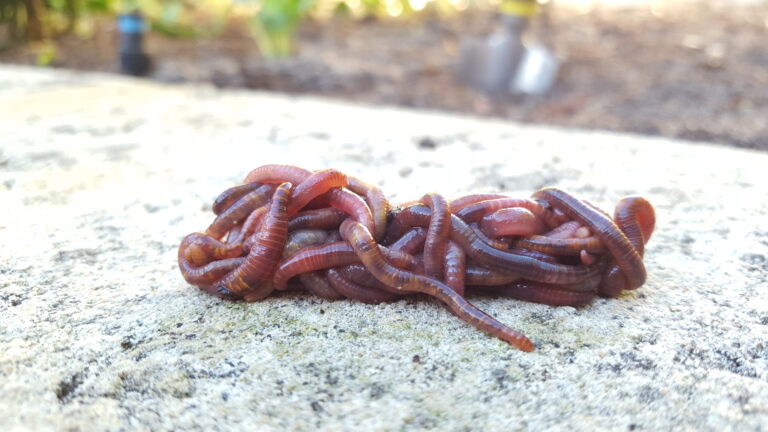
Red wigglers (Eisenia fetida) are epigeic worms. That scientific term means they live and feed in the top layer of organic material, not deep in mineral soil. In the wild, you find them in leaf litter, under manure piles, inside compost heaps, and in decomposing wood. Their entire biology is adapted to processing dense concentrations of organic waste in a shallow environment.
This is exactly what a worm bin provides.
Red wigglers eat roughly half their own body weight in organic material every day under good conditions. A pound of red wigglers, which is approximately 800 to 1,000 worms, processes three to four pounds of food scraps per week. They reproduce fast, doubling their population every 60 to 90 days when conditions are right. They tolerate the temperature swings, moisture fluctuations, and feeding variety of a household worm bin better than any other commonly available composting species.
The worm castings they produce are high in plant-available nitrogen, phosphorus, and potassium. More importantly, castings from red wigglers carry a microbial community that traditional compost cannot match, including beneficial bacteria, fungi, and nematodes that protect plants from soil-borne disease.
Red wigglers are also called red worms, manure worms, tiger worms, and brandling worms depending on where you are. The scientific name Eisenia fetida and the common name red wiggler refer to the same animal.
Why Nightcrawlers Fail in a Worm Bin
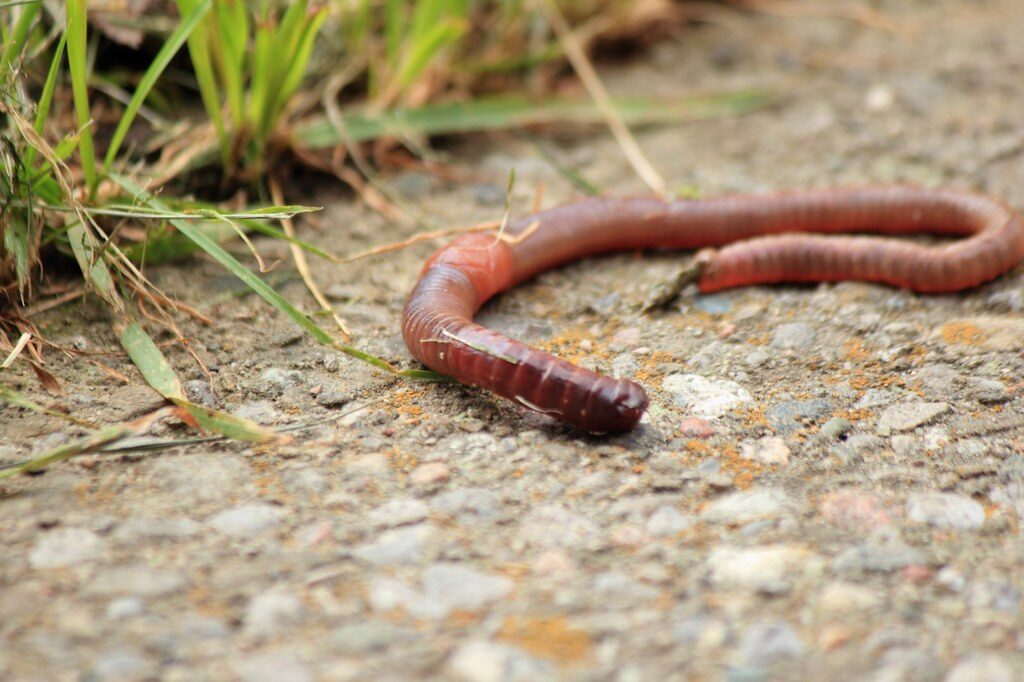
The most common nightcrawler kept as a pet or used for bait is the common European nightcrawler (Lumbricus terrestris). This is an anecic species. Anecic worms burrow vertically through mineral soil, sometimes as deep as six feet. They pull surface material down into their burrows to eat it in darkness. They do not thrive in groups and strongly prefer solitary conditions in deep soil.
Put a common nightcrawler in a shallow worm bin full of other worms and you have created the worst possible conditions for it. It will immediately try to escape, burrowing against the walls and lid. If it cannot escape, it will die within days to weeks.
The confusion arises partly because the name “nightcrawler” is applied to several different species. The one that does work well in a composting context is the European nightcrawler (Eisenia hortensis), also called the Belgian nightcrawler or dendrobaena. This is a different animal from Lumbricus terrestris despite sharing the nightcrawler name.
European Nightcrawlers as a Secondary System
Eisenia hortensis deserves its own paragraph because it is genuinely useful for homesteaders who want to run a dual-purpose worm operation.
European nightcrawlers are larger than red wigglers, reaching three to four inches versus the red wiggler’s two to three inches. Larger size makes them significantly more appealing as fishing bait, which means you can sell them for more per pound. They also survive in a bait container longer than red wigglers, which matters to fishing retailers and bait shops who want worms that stay alive on a shelf.
In terms of composting performance, European nightcrawlers are slower reproducers than red wigglers, roughly half the reproduction rate. They also prefer slightly cooler temperatures, doing well between 60 and 70 degrees Fahrenheit. They are more sensitive to acidic conditions, so bins fed with citrus or large amounts of coffee grounds need more frequent pH monitoring.
The castings from European nightcrawlers are chemically similar to those from red wigglers, so if you are raising them for bait sales with composting as the secondary benefit, the system makes practical sense.
Side-by-Side Comparison
| Characteristic | Red Wigglers | European Nightcrawlers | Common Nightcrawlers |
|---|---|---|---|
| Scientific name | Eisenia fetida | Eisenia hortensis | Lumbricus terrestris |
| Works in worm bin | Yes | Yes | No |
| Ideal temperature | 65 to 77F | 60 to 70F | Outdoor soil only |
| Reproduction rate | Fast, doubles every 60 to 90 days | Moderate, doubles every 120 to 150 days | Slow |
| Bait value | Low to medium | High | Very high, but not bin-compatible |
| Composting performance | Excellent | Good | Not applicable |
| Typical cost per pound | $20 to $30 | $25 to $40 | $5 to $15 for garden release |
Which One Should You Start With
If you are new to vermicomposting and your primary goal is composting kitchen scraps and garden waste, start with red wigglers. You will find a larger supply of beginner-oriented information, more compatible equipment, and more forgiving conditions.
If you have composting dialed in with red wigglers and want to add a second income stream by selling bait, set up a separate bin for European nightcrawlers. Do not mix species in the same bin. They compete for resources and the population balance will shift toward whichever species has the advantage in your specific conditions, usually at the expense of the other.
If someone at a hardware store or garden center tells you to buy nightcrawlers for your compost bin, ask specifically whether they stock Eisenia hortensis. If they are selling Lumbricus terrestris as composting worms, they are wrong, and those worms will not work.
How to Source the Right Worms
Red wigglers are widely available from reputable online worm farms and from local bait shops, where they may be sold under the name “red worms” or “manure worms.” When buying online, look for suppliers who ship in breathable bedding, provide a live arrival guarantee, and clearly specify the species.
Reputable sources to consider:
- Uncle Jim’s Worm Farm red wigglers ships live with a guarantee
- The Squirm Firm red worms is a well-regarded supplier
- Local bait shops, if they stock Eisenia fetida specifically
European nightcrawlers are less commonly stocked in local stores and are more often sourced from specialty worm farms online. Searching specifically for “Eisenia hortensis” or “Belgian nightcrawlers” will find the right species.
Avoid buying worms from a vendor who cannot tell you the species name. “Nightcrawlers” without a species name could be anything.
A Note on Wild Worms
Every spring, homesteaders report collecting earthworms from their garden after a rain and adding them to their worm bins. This virtually always fails, for reasons discussed above. Wild worms found at the soil surface after rain are usually Lumbricus terrestris trying to navigate flooded burrows. They are not composting worms. They will try to escape your bin and will likely die within a week.
The exception is if you find clusters of small reddish worms in an established compost pile or under an old manure pile. Those worms are likely already red wigglers or a similar epigeic species and can be harvested and moved to a bin.
Bottom Line
Red wigglers for composting. European nightcrawlers if you want a dual composting and bait system. Common nightcrawlers for garden soil improvement, released directly into beds, not kept in bins. The distinction matters more than most beginners realize, and making the right choice before you start will save you from a failed first bin.