How to Make Worm Casting Tea: Step-by-Step Guide That Actually Works
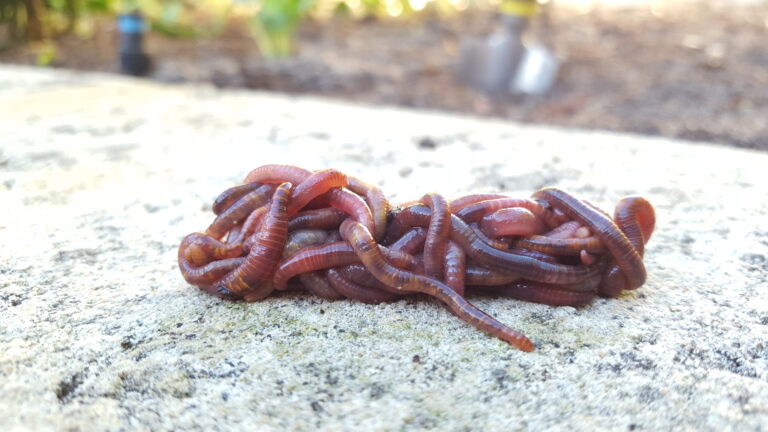
Worm castings are valuable enough that most homesteaders wish they had more. Worm casting tea solves this problem by extracting the beneficial microbes and nutrients from a small amount of castings into a larger volume of water that can be applied across a much bigger area.
One cup of castings brewed into a gallon of tea can treat four to eight times as much garden space as the castings alone, applied directly. When done correctly, the tea also amplifies the microbial content of the castings, producing a biologically active soil drench that does things fertilizer water cannot.
Here is exactly how to do it.
What Worm Casting Tea Actually Is
Worm castings contain a dense population of beneficial microorganisms: nitrogen-fixing bacteria, phosphate-solubilizing bacteria, beneficial fungi, and other soil biology that supports plant health, suppresses pathogens, and improves nutrient availability.
When you steep castings in water, these microorganisms begin to disperse into the water. With aeration, the aerobic bacteria multiply rapidly. Within 24 to 36 hours, a gallon of casting tea can contain significantly more total microbial activity than the starting castings, because the organisms have been given ideal conditions to reproduce.
This is the key distinction between worm casting tea and simply watering your plants with water that has a small amount of castings dissolved in it. Active aeration during brewing creates a genuinely different product.
There is also a simpler, non-aerated version that is easier to make and still useful, though it does not multiply the microbial content to the same degree. Both methods are covered below.
Method 1: Aerated Worm Casting Tea (Best Results)
This is the method that produces the most biologically active tea. It requires an aquarium air pump, an air stone, and tubing, all of which are inexpensive and available from any pet store or online.
What you need:
- 1 gallon of water (let it sit uncovered for an hour if using tap water, or use rainwater or well water to let chlorine dissipate)
- 1 cup of finished worm castings
- 1 tablespoon of unsulfured molasses (feeds the aerobic bacteria during brewing)
- Aquarium air pump and air stone with tubing
- A bucket or large jar
- Fine mesh bag or cheesecloth for the castings
Step-by-step process:
- Fill your bucket or jar with one gallon of dechlorinated water.
- Place your castings in the mesh bag or tie them in a square of cheesecloth. This makes removal easier and keeps particles out of the finished tea.
- Submerge the castings bag in the water.
- Add one tablespoon of unsulfured molasses and stir briefly.
- Place the air stone at the bottom of the bucket and connect it to the air pump. The bubbles should be vigorous and continuous.
- Let it brew for 24 to 36 hours at room temperature. Do not exceed 36 hours, as the microbial activity can swing toward less desirable organisms after this point.
- Remove the castings bag. The remaining castings in the bag can go directly onto the garden.
- Apply the tea immediately or within a few hours. Microbial populations decline rapidly once the pump is off and the dissolved oxygen drops.
The finished tea should smell earthy and pleasant, similar to a forest floor after rain. If it smells bad or sour, something went wrong during brewing, usually too little aeration, too warm a brew temperature, or water that had too much chlorine.
Equipment needed:
Aquarium air pump for casting tea at $8 to $15 is all the equipment you need beyond a bucket.
Air stone diffuser produces fine bubbles that maximize surface area and oxygenation.
Unsulfured molasses is the recommended bacterial food. Sulfured molasses contains preservatives that can harm the microbial community you are trying to grow.
Method 2: Simple Worm Leachate Tea (Easier, Still Useful)
If you do not have an aquarium pump and want a simpler method, worm leachate tea works well for most applications and requires no equipment beyond a container and water.
Fill a gallon jar with dechlorinated water. Add one to two cups of worm castings directly to the water, no bag needed. Stir well. Let it sit at room temperature for 24 hours, stirring two or three times during that period. Strain through cheesecloth or a fine strainer. Apply the water as a soil drench.
This method does not aerate and therefore does not multiply the microbial content significantly. It does extract the water-soluble nutrients and some of the microbial population from the castings. It is more similar in effect to a dilute liquid fertilizer than to the aerated tea, but it is still effective and far better than plain water.
The leachate that drains from the bottom of worm bins is a related product. Some worm bin designs have a spigot at the base that collects this liquid. Bin leachate is lower in microbial content than properly brewed casting tea, but it still contains plant-available nutrients and can be diluted five to one with water and used as a liquid feed.
How to Apply Worm Casting Tea
Apply immediately after brewing while the microbial population is at its peak.
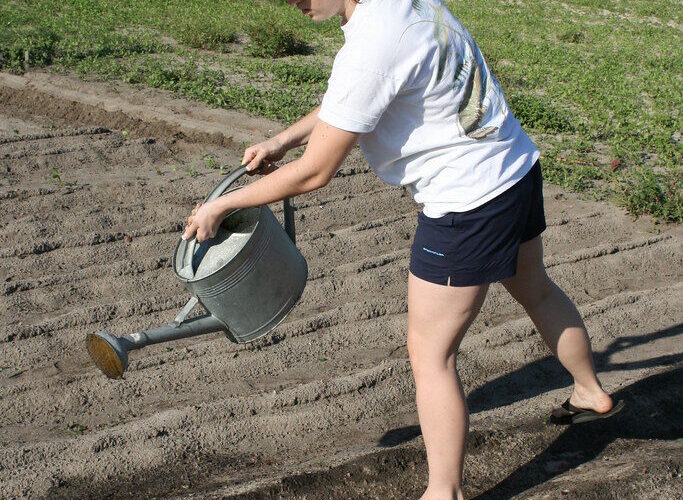
Soil drench: Pour the tea around the base of plants, aiming to saturate the root zone. This is the most effective delivery method for improving soil biology. Apply in the morning or evening, not during the heat of the day, as UV light and heat stress the microorganisms.
Foliar spray: Strain the tea through a very fine cloth to remove all particles that could clog a sprayer. Apply to the underside of leaves where stomata absorb the microbial and nutritional benefit most efficiently. Some research suggests foliar application of casting tea reduces incidence of fungal disease on vegetable crops. Apply in the morning so leaves dry before evening, which reduces fungal disease risk.
Seed soaking: Soak seeds in diluted casting tea (50 percent tea, 50 percent water) for an hour before planting. This introduces beneficial microbes to the seed coat and can improve germination rates.
How Often to Apply
During active growing season, applying casting tea every two to three weeks is a reasonable schedule for most vegetable gardens. Monthly applications maintain soil biology during less intensive periods.
If you are using tea in response to a specific problem, such as a plant showing signs of nutrient deficiency or disease pressure, apply twice per week for two to three weeks, then return to a maintenance schedule.
There is no meaningful risk of over-applying worm casting tea. Unlike synthetic fertilizers, which can burn plants if over-applied, casting tea is biologically active water. The downside of applying too much is simply that you run out of castings faster.
Common Mistakes to Avoid
Using chlorinated tap water without dechlorinating. Chlorine is specifically designed to kill microorganisms. Running your brew with chlorinated tap water kills the bacteria you are trying to multiply. Let tap water sit uncovered for one hour before brewing, or use a small campden tablet to neutralize chlorine instantly.
Brewing too long. Past 36 hours, the microbial community in an aerated brew shifts toward organisms that thrive in conditions that are less beneficial to plants. Apply within four hours of stopping the pump.
Using sulfured molasses. The sulfur preservative in regular molasses harms the aerobic bacteria you are cultivating. Always use unsulfured molasses.
Applying in midday sun. UV radiation and heat reduce the viability of the microorganisms rapidly. Apply in early morning or evening.
Storing finished tea. Brewed casting tea has a very short shelf life. Apply within a few hours of finishing the brew or the microbial population drops significantly.
How Casting Tea Fits in a Homestead Fertility System
Worm casting tea works best as part of a layered approach to soil fertility rather than as a standalone product. Direct castings application to planting holes and seed starting mix provides concentrated microbial and nutritional benefit in the root zone. Casting tea extends that benefit across more of the garden and allows more frequent application with less total casting material.
Combined with top-dressing castings around established plants and incorporating finished compost into beds before planting, casting tea becomes the regular maintenance application that keeps soil biology active and responsive throughout the growing season.
Learn more about getting the most from your worm castings in our guides on using castings in the vegetable garden and vermicomposting for beginners.
— Last updated: June 2026. We brew aerated worm casting tea on our homestead throughout the growing season.