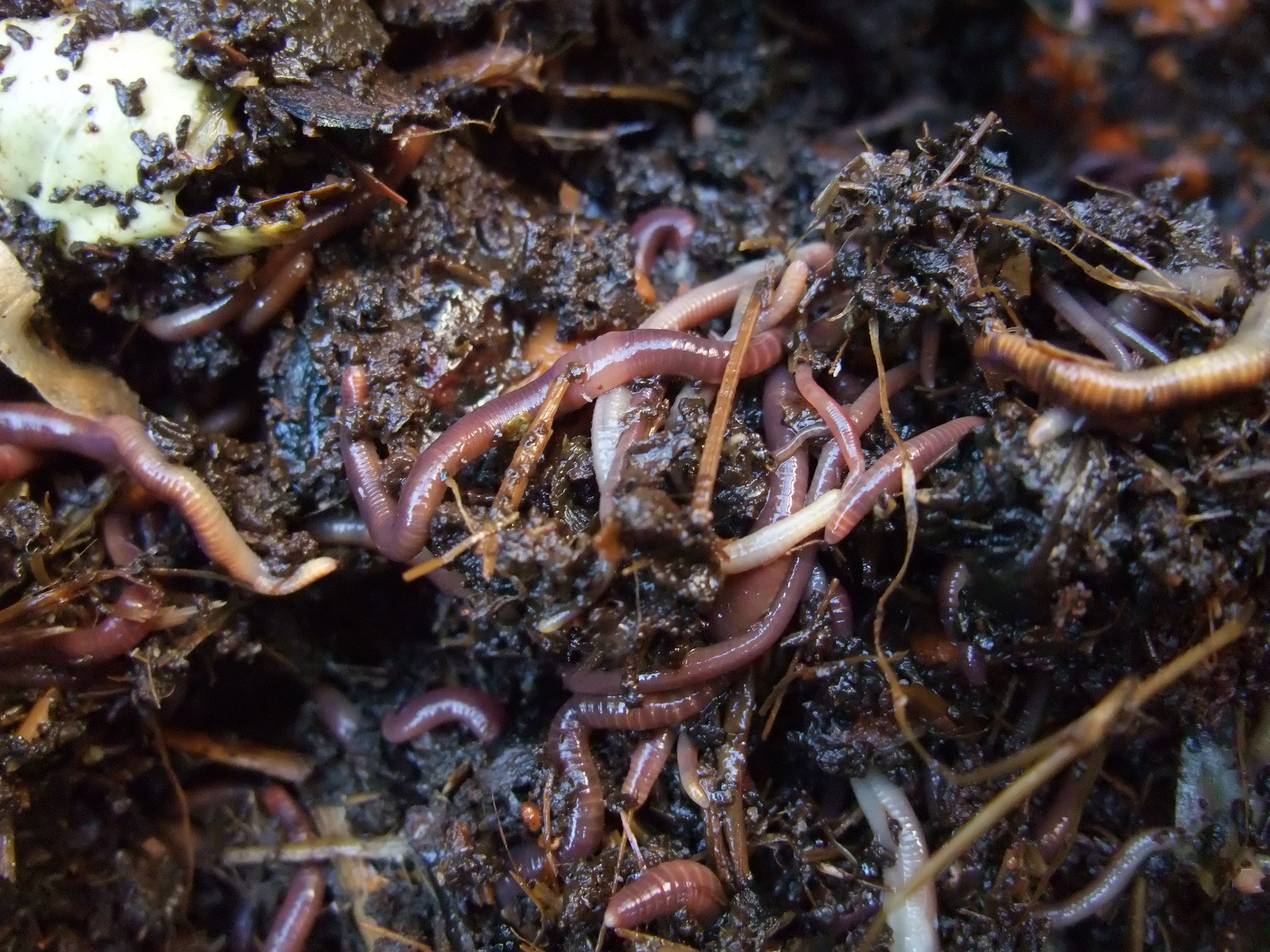
Worm Bin Smells Bad? Here Are the Actual Causes and Fixes
A healthy worm bin smells like soil after rain. If yours smells like a dumpster, rotting food, ammonia, or anything else distinctly unpleasant, something is wrong. The good news is that worm bin odor problems almost always come from one of four causes, and all four are fixable without starting over.
Here is how to diagnose which problem you have and what to do about it today.
Why Worm Bins Develop Odors
Odor in a worm bin means anaerobic decomposition is happening somewhere in the system. Anaerobic means without oxygen. When organic material breaks down without oxygen, it produces hydrogen sulfide (which smells like rotten eggs), methane, ammonia, and organic acids that are collectively responsible for the smell you are dealing with.
A healthy worm bin is aerobic throughout. Worms tunneling through the material create air channels. Properly moistened but not waterlogged bedding allows oxygen to move through the bin. When these conditions are disrupted, anaerobic pockets form, and those pockets smell.
Cause 1: Too Much Food (By Far the Most Common)
Overfeeding is responsible for the majority of worm bin odor problems. You add food faster than the worms can process it. Unprocessed food sits in the bin and begins rotting anaerobically rather than being consumed by the worm-microbial system.
How to identify it: Food from your last feeding is still clearly visible and largely intact. The smell is distinctly rotten or putrid, like a compost pile gone wrong.
How to fix it: Remove as much unprocessed food as you can with a garden fork or trowel. Do not add new food for five to seven days. Add several large handfuls of dry, shredded cardboard or newspaper to absorb excess moisture and provide carbon to balance the nitrogen-heavy decomposing material. Gently fluff the top layer of bedding to introduce air. After a week, resume feeding at half your previous rate.
How to prevent it: Feed only what the worms can process in three to four days. In a new bin with a small population, this is less food than you expect. Let the previous feeding disappear before adding more.
Cause 2: Too Much Moisture
When a bin becomes waterlogged, oxygen cannot move through the bedding. Anaerobic conditions develop throughout rather than in isolated pockets, and the resulting smell affects the whole bin.
How to identify it: When you press your hand into the bedding, it feels saturated and you can squeeze out more than a few drops of liquid. The smell may be more sour or sulfurous than putrid.
How to fix it: Remove the lid and let the bin air out for several hours. Add large amounts of dry shredded cardboard, mixing it gently into the existing material. The cardboard will absorb significant moisture. Repeat daily for three to four days until the wrung-out sponge moisture level is restored. Check that drainage holes are not clogged if your bin has them.
How to prevent it: Add dry carbon material (cardboard, shredded paper, coir) every time you add wet food scraps. A rough rule is equal volumes of wet materials and dry materials by visual volume, not weight.
Cause 3: Wrong Foods
Adding prohibited foods causes immediate and severe odor problems that are disproportionate to the amount added. Meat and dairy in particular create anaerobic conditions faster than the bin can recover from on its own.
How to identify it: The bin smelled fine and then developed a bad smell shortly after a specific feeding. The smell is particularly strong, with notes of sulfur or ammonia.
How to fix it: Remove any visible prohibited material immediately. Add large amounts of dry shredded cardboard and mix gently. The bin may need a week or two to recover fully. Do not add new food until the smell has normalized.
How to prevent it: Keep a list on the bin or fridge of what goes in and what stays out. The no-go list is: meat, fish, poultry, dairy, oily or greasy food, heavily salted food, and pet waste.
Cause 4: Compacted or Airless Bedding
Over time, worm bin bedding can compact as it breaks down. Compacted bedding has fewer air pockets, which reduces the aerobic environment throughout the bin. This often happens gradually, which means the smell develops slowly rather than suddenly.
How to identify it: The bedding looks dark and dense, with little visible structure or air pockets. The bin has been running for several months without new bedding being added. The smell is earthy but heavier than it should be, more like wet mud than fresh soil.
How to fix it: Add several large handfuls of fresh, dry shredded cardboard and gently fork through the top several inches of the bin to introduce air pockets. This also gives worms fresh material to work through. Do not add food for a few days while the bin restabilizes.
How to prevent it: Add fresh bedding regularly, not just food. When you add a feeding, also add a layer of torn cardboard or shredded paper. This keeps the bedding structure loose and aerated as it breaks down.
What to Do If None of These Fixes Work
Occasionally a bin develops persistent odor that does not respond to the standard fixes. In this situation, consider whether the temperature is the issue. A bin that is too hot, above 85 degrees Fahrenheit, will have worms trying to escape and may be developing heat-related anaerobic conditions if there are dense masses of decomposing material. Move the bin to a cooler location and remove any large quantities of decomposing material.
If the bin has been running for 12 months or longer without harvest, it may simply be time to harvest. A fully processed bin where most of the material has become castings has less biological activity, less structure, and can develop stagnant zones that cause odor. Harvesting the castings and starting fresh with new bedding resolves this.
A Note on Normal Bin Smells
Some smells are not problems. A bin that has just received a large amount of food may smell slightly of what you just added, which is normal and temporary. A bin that has received coffee grounds will smell briefly like coffee, which is pleasant. A bin in the process of breaking down nitrogen-rich materials may have a faint ammonia note that dissipates within 24 to 48 hours if the moisture level is correct.
The distinction between a temporary smell from a recent feeding and a persistent problem is time. If a smell dissipates within a day, it is probably not a problem. If it persists or worsens after 48 hours, diagnose and address it.
Preventing Smell Before It Starts
The habits that prevent smell problems are simpler than fixing them after they develop:
Always bury food under bedding rather than leaving it on the surface. This limits fly access and slows decomposition to a rate the worms can match.
Add dry carbon material every time you add wet food scraps. Cardboard boxes broken down and shredded are the most convenient source for most households.
Never add prohibited foods. The smell from a single addition of meat can take weeks to clear.
Feed conservatively in the first three months while the worm population is establishing itself. Worms are slower to process food at lower population densities.
A bin that never smells is one where aerobic conditions are maintained continuously through appropriate moisture, adequate carbon, and appropriate feeding rates. All three of those variables are fully within your control.
For more on running a healthy worm bin, see our vermicomposting beginners guide and our complete feeding guide.
— Last updated: June 2026. Written from direct troubleshooting experience with worm bins on our homestead.