How to Sell Worm Castings: Pricing, Packaging, and Finding Buyers
A single Worm Factory 360 running at full capacity produces roughly 50 to 75 pounds of finished worm castings per year. At farmers market retail prices of $8 to $12 per quart (approximately 2.5 pounds), that is $160 to $360 from a single bin per year. Three bins running side by side, a realistic scale for a serious homesteader, produces $480 to $1,080 in gross revenue from a product that costs almost nothing to produce beyond your time.
These are not big business numbers, but they are meaningful side income that also subsidizes your homestead’s fertility program. Here is how to do it practically.
What Worm Castings Are Worth
Pricing varies significantly by channel. Understanding the range helps you set prices that move product without leaving money on the table.
Online retail (Etsy, Amazon, local Facebook Marketplace): Finished worm castings from small producers sell at $10 to $18 per quart or $30 to $55 per gallon. Buyers online are typically serious gardeners who have researched castings and understand their value relative to synthetic fertilizers.
Farmers markets: Local farmers markets typically support $6 to $12 per quart for castings sold in person. The market demographics matter significantly. An affluent suburban farmers market with a strong gardening culture will support higher prices than a rural market where gardeners are more likely to make their own compost.
Local garden centers and nurseries: Wholesale prices to retailers are lower, typically $3 to $6 per quart, but volume can be much higher. A local garden center taking 20 to 50 quarts per month is a steady, reliable customer that requires less time per unit sold than direct retail.
CSA and local food community: If you already participate in a local food or homesteading community, peer sales can happen at prices between wholesale and retail. Relationships matter here. A neighbor who sees the results in their garden becomes a repeat buyer and referral source.
How to Prepare Castings for Sale
Raw castings from the bin are not yet ready to sell. They need to be processed slightly to produce a product that looks professional and stores well.
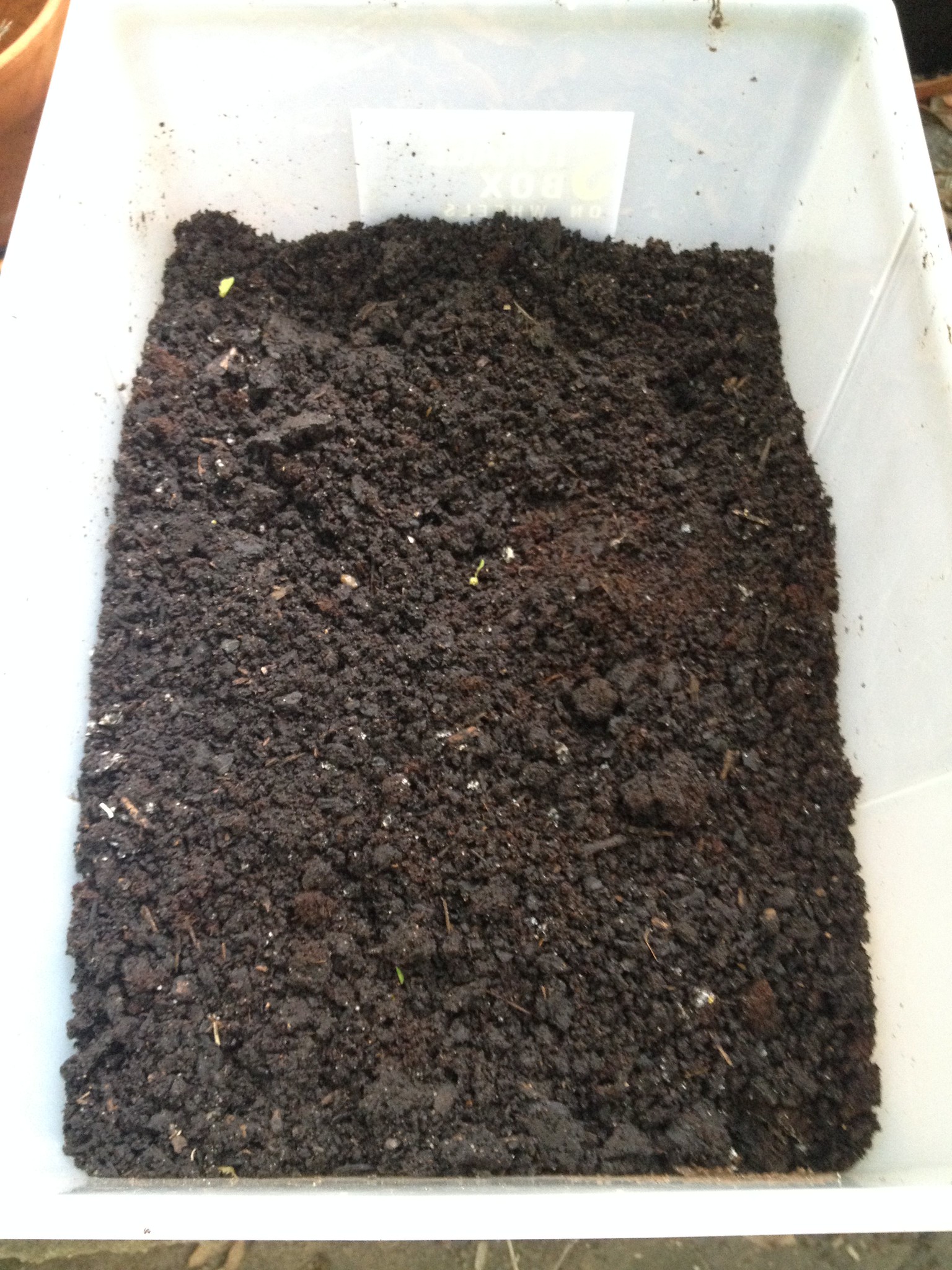
Screening: Pass castings through a half-inch hardware cloth or a soil sieve. This removes worm cocoons (which can hatch into worms in the buyer’s storage), any remaining unprocessed organic material, and large particles. The result is a fine, uniform, dark product that looks distinctly different from ordinary soil or compost.
Cocoons that are screened out can go back into the active bin to hatch. They are not waste.
Moisture level: Castings for sale should be moist but not wet. If you can squeeze them into a ball and they hold their shape briefly before crumbling, the moisture level is right. Too dry and the microbial community dies during storage. Too wet and they grow mold in packaging.
Checking for worms: Bright light on the surface of the castings will encourage any remaining worms to move downward. After five minutes, the surface-level castings can be packaged. Some producers screen twice: once through half-inch hardware cloth and once through quarter-inch cloth. This produces a very consistent product.
Packaging Options
Packaging communicates quality before the buyer opens it. Cheap bags with hand-written labels signal amateur production. Consistent, professional packaging signals a product worth the price.
Quart and gallon ziplock bags are the most common starting point for direct-sale producers. They are cheap, available at any grocery store, and seal well. The limitation is visual: see-through bags make consistency of the product visible, which is good if your castings are dark and fine, but can expose inconsistency if the product is variable.
Kraft paper bags with a window look more professional and are increasingly available in small quantities from packaging suppliers online. They store well, have room for labeling, and are recyclable, which appeals to the environmental awareness of most worm casting buyers.
One-gallon fabric grow bags reused as casting packaging is an unusual approach that some producers use for premium pricing. The grow bag itself adds value, and buyers who garden will find it useful.
What to put on the label at minimum: your farm name, product name (worm castings or vermicompost), net weight, application instructions (a brief note on how much to use), and your contact information.
Kraft paper bags with window, quart size are the best-looking packaging for the price.
Hardware cloth for screening castings is the most important processing tool if you plan to sell consistently.
Finding Buyers
Farmers markets are the most accessible starting point for direct retail. Research your local market’s vendor application process, typical booth costs, and whether there is existing competition for gardening inputs. A market with no other worm casting vendor is an opportunity. Most markets run vendor waitlists, so apply early.
Local nurseries and garden centers respond well to a simple, direct approach: bring a sample, explain the product, offer a wholesale price that gives them room to mark up to their retail customers. Independent garden centers are much more accessible than chain stores. A successful product at one local nursery becomes a reference for approaching others.
Community gardens often have many gardeners in one place who are already interested in organic growing inputs. Connecting with the garden’s coordinator and offering a community discount can generate multiple repeat buyers efficiently.
Online listings: Facebook Marketplace is underused by agricultural producers and often has less competition than Etsy for local buyers searching for garden inputs. List by location and update listings regularly for visibility.
Homesteading groups and local food networks: If you are already part of a homesteading community online or locally, a straightforward post about castings available often generates the first several sales. Members who trust your other agricultural practices will try your castings.
How Much Can You Realistically Produce
Realistic production numbers based on running multiple bins on a homestead:
One Worm Factory 360 at full capacity produces one to two quarts of finished castings every two to three weeks. Over a full year, this is 20 to 35 quarts of sellable product per bin.
At $8 per quart retail, one bin produces $160 to $280 per year in revenue. At $12 per quart in a premium market, $240 to $420.
Three bins run in parallel produce $480 to $840 per year at $8 per quart, or $720 to $1,260 at $12 per quart.
These numbers assume consistent management, adequate worm populations, and a market that can absorb the production. The last variable is worth testing before scaling up significantly. Sell what one bin produces and see how quickly it moves before committing to a larger system.
Selling Worms Alongside Castings
If you develop surplus worm population, which happens naturally in a well-run system, selling live red wigglers alongside castings creates a second product line with higher value per pound than castings.
Red wigglers sell for $25 to $40 per pound at retail. A healthy, established bin regularly produces more worms than the system needs to maintain. Harvesting and selling the excess, typically at the same time as a castings harvest, adds revenue without additional bin space.
The logistics of selling live worms are slightly more complex than selling castings. Packaging needs to allow air exchange, worms need to be shipped in appropriate bedding, and live arrival guarantees affect your approach to pricing and customer service. For local sales through farmers markets or direct pickup, live worm sales are straightforward. For shipping, research packaging methods that maintain viability.
The Business Case for Small-Scale Worm Casting Sales
Selling worm castings is unlikely to become a primary income stream for most homesteaders, but it is one of the most favorably structured side income opportunities available. The inputs are kitchen scraps, cardboard, and a few hours of management per month. The product is genuinely valuable and in genuine demand. The overhead is minimal. The production scales with the size of your worm population.
Most worm casting producers who sell locally treat it as a homestead byproduct that pays for itself and contributes modestly to household income rather than as a serious business venture. That framing is realistic and appropriate for most homestead scales.
For more on producing high-quality castings, see our vermicomposting beginners guide and our harvesting worm castings guide.