Worm Castings vs Compost: What Is Actually the Difference?
Gardeners who have used both worm castings and traditional compost often notice that the two products behave differently in the garden. Plants respond differently. Germination rates differ. The texture and smell are different. But most descriptions of what makes them different are either too vague (castings are “supercharged compost”) or too technical (castings have higher CEC and different microbial diversity indices).
Here is the practical, accurate distinction between the two products and how to use each one most effectively.
What Traditional Compost Is
Traditional compost is organic material, plant matter, food scraps, manure, wood chips, straw, and similar inputs that has been decomposed by microorganisms, primarily bacteria and fungi, into a stable, humus-rich material that improves soil structure, adds nutrients, and feeds the soil food web.
Good finished compost is dark, crumbly, earthy-smelling, and largely uniform in texture. It improves drainage in clay soils, improves water retention in sandy soils, adds organic matter that feeds soil life, and provides slow-release nutrients across many plant-feeding cycles.
Traditional compost is a bulk amendment. It works best when incorporated into soil in substantial quantities, two to four inches worked into the top six to twelve inches of a bed, or used as mulch on top of soil at comparable depths.
What Worm Castings Are
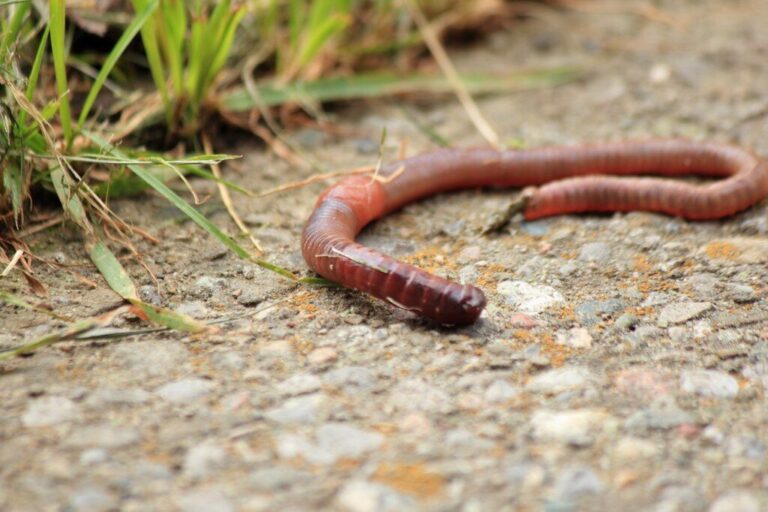
Worm castings are the excrement of composting worms, primarily red wigglers, that have consumed and digested organic material. The distinction from traditional compost is not just processing method; it is the specific biological transformation that occurs inside a worm’s gut.
As organic material passes through a worm’s digestive system, it is exposed to enzymes, mucus, and a dense microbial community in the worm’s intestinal tract. Beneficial microorganisms are concentrated from the surrounding material and from the worm’s gut into the casting itself. The resulting material has a microbial community that is more diverse and more concentrated than what forms in a conventional compost pile.
Additionally, nutrients in worm castings are bound to clay-humic acid complexes that make them highly available to plant roots while preventing them from washing out of the root zone. This is sometimes described as nutrients being “plant ready,” which is reasonably accurate.
The result is a product that:
- Suppresses soil-borne fungal disease, including the damping off that kills seedlings
- Stimulates root development in ways that compost does not, likely due to plant growth hormones including auxins found in castings
- Provides nutrients in plant-available form without risk of burning
- Improves germination rates, supported by multiple controlled trials
Side-by-Side Comparison
| Characteristic | Traditional Compost | Worm Castings |
|---|---|---|
| Primary benefit | Soil structure, organic matter, bulk nutrients | Biological activity, disease suppression, germination improvement |
| Application rate | High (inches per bed) | Low (tablespoons to cups per planting) |
| Cost to produce | Low per cubic yard | Higher per pound (more time per unit) |
| Can burn plants | Yes if applied heavily or if immature | No, even in high concentrations |
| Shelf life | 6 to 12 months (stable) | 2 to 4 months at peak biological activity |
| Best use | Bed preparation, bulk soil improvement | Seed starting, transplant holes, top dressing |
| Smell | Earthy, rich | Very mild, like fresh soil |
Which Situations Call for Each
Use traditional compost when:
You are building a new bed or garden space and need to add substantial organic matter. A two-inch layer of compost incorporated into a new bed does more for long-term soil health than any amount of worm castings at that scale, and it is far more economical to produce in quantity.
You are mulching around established plants to suppress weeds, retain moisture, and feed the soil over the course of the season. Compost as mulch is one of the highest-impact low-effort practices in vegetable gardening.
You are amending soil that is genuinely nutrient-depleted or heavily compacted. The bulk of compost at sufficient depth improves physical soil properties in ways that small quantities of castings cannot.
Use worm castings when:
You are starting seeds. The biological protection against damping off alone justifies using castings in seed starting mix. Add 20 to 25 percent castings to your seed starting mix.
You are transplanting into the garden. Adding a small amount of castings to the planting hole of each transplant places the biological benefit directly at the developing root zone.
You want to top-dress actively growing vegetable crops. A thin layer of castings around tomatoes, peppers, or other heavy feeders midseason delivers a biological boost without the bulk required for compost.
You are dealing with a specific disease problem in a bed or area. The disease-suppressive properties of castings are well-documented and more immediately targeted than the general soil improvement of compost.
Use both when:
You are building a new bed or preparing a bed for the season. Compost provides the bulk organic matter and structural improvement. Castings in the seed starting mix and transplant holes provide the targeted biological benefit where it matters most.
This layered approach, compost as the foundation and castings as the targeted supplement, is more effective than using either alone and makes efficient use of your typically limited worm casting supply.
The Practical Constraint
For most homesteaders, compost can be produced in large quantities with relatively little effort. A three-bin compost system working well can produce more compost than an average vegetable garden can use in a year. Worm castings cannot scale the same way. A household worm bin produces 20 to 35 quarts per year. A garden might have the capacity to use twice or three times that amount if castings were applied at rates that would maximize benefit everywhere.
This scarcity is why strategic application matters. Spread thinly across an entire large garden, worm castings have minimal effect. Concentrated at seed starting and transplanting, they have measurable effect on exactly the stages where seedling losses happen.
Can You Make a Casting-Compost Blend
Many commercial and home producers do mix finished castings with finished compost to create a blended product that has better nutrient and biological balance than either alone. A 30 percent castings, 70 percent finished compost blend is used commercially as a potting medium that performs well for container gardening.
For homestead use, blending makes sense if you have more compost than you know what to do with and not enough castings to apply meaningfully. Blending extends the castings, distributes the biological benefit across more material, and creates a potting or transplanting medium with better structure than pure castings (which can compact in containers over time).
For more on making the most of your worm castings, see using worm castings in the vegetable garden and our vermicomposting beginners guide.